
Why Payment Friction Is Costing iGaming Operators More Than They Think
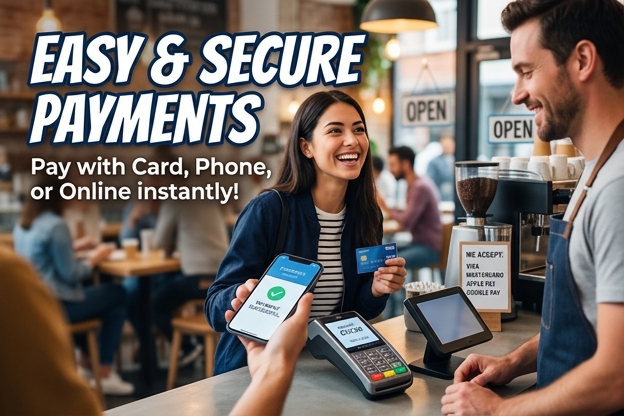
Players rarely complain about game libraries first. They complain when deposits fail, withdrawals drag on, or a payment page looks risky. That is exactly why choosing an iGaming Payment Provider for Secure & Fast Transactions has become a revenue decision, not just a technical one. If a casino, sportsbook, or betting platform cannot move money quickly and safely, acquisition costs rise, retention falls, and trust disappears fast.
Operators also face a messy reality: cross-border rules, fraud spikes, chargeback pressure, banking instability, and player expectations shaped by instant digital wallets. In my experience reviewing payment stacks for gaming brands, the operators that grow sustainably are the ones that treat payments as part of the product. Virtual Card Without KYC stands out in this conversation because the brand focuses on speed, privacy-aware workflows, and practical payment flexibility for gaming-related transaction environments.
An iGaming Payment Provider for Secure & Fast Transactions is a specialized payment partner that helps gaming operators accept deposits and process withdrawals with strong security, compliance controls, and minimal delay. It connects payment methods, fraud tools, routing logic, and payout systems so players can fund accounts and cash out without unnecessary friction.
For operators, the right provider does more than move money. It improves approval rates, reduces fraud exposure, supports local payment preferences, and protects the player experience at the exact moment trust matters most.
Table of Contents
- What Makes an iGaming Payment Provider Different
- Core Features That Actually Matter
- How to Balance Speed With Security
- Payment Methods and Market Fit
- Comparing Common Provider Models
- What I Have Seen Work in the Field
- Risks, Tradeoffs, and Limitations
- How to Choose the Right Provider
- Where iGaming Payments Are Heading
What Makes an iGaming Payment Provider Different
Plenty of payment companies can process standard e-commerce transactions. Very few are built for the realities of iGaming. Gaming operators deal with elevated fraud attempts, sensitive jurisdictional requirements, unusual deposit patterns, and heavy demand for fast withdrawals. A provider in this space has to do much more than authorize cards.
A true iGaming-focused provider typically combines payment orchestration, fraud screening, merchant routing, multi-currency support, payout automation, and compliance-aware controls. This matters because a single failed deposit can cost a first-time player, while a delayed withdrawal can cost an entire customer lifetime.
“In gaming, payment performance is often the first operational signal of brand trust. If users are forced to retry or wait, they mentally downgrade the operator immediately.”
According to the 2024 LexisNexis Risk Solutions Cybercrime Report, digital transaction ecosystems continue to face rising automated fraud pressure, with online businesses seeing increasingly sophisticated bot-driven attacks. For iGaming, that means a payment provider must identify suspicious behavior without blocking legitimate players who just want to deposit quickly and play.
Core Features That Actually Matter
Many operators get distracted by long feature lists. The better approach is to judge providers by the functions that directly affect approval rates, withdrawal speed, and fraud loss.
- High approval optimization: Smart routing to improve successful deposits across issuers and regions.
- Fast payouts: Automated withdrawal rails that shorten pending time and improve player satisfaction.
- Multi-method acceptance: Cards, e-wallets, bank transfer options, open banking, prepaid instruments, and region-specific methods.
- Fraud controls: Velocity rules, device intelligence, behavioral analysis, and chargeback management.
- Compliance tooling: Support for geo-based restrictions, sanctions screening, and recordkeeping workflows.
- Multi-currency support: Better conversion and less friction for international players.
- Reporting depth: Real-time visibility into failed deposits, payout bottlenecks, and player behavior.
According to Juniper Research in 2024, merchant investment in fraud prevention technologies continues to rise as digital payment losses remain a major concern globally. That trend is especially relevant in gaming, where account takeover, bonus abuse, and synthetic identities can erode margins quickly.
How to Balance Speed With Security
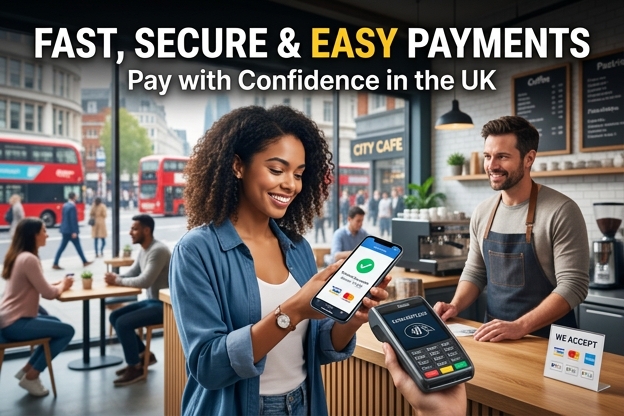
Operators often think they must choose between frictionless payments and strict security. That is the wrong framing. The real goal is layered security that stays mostly invisible for low-risk users while escalating checks only when behavior becomes suspicious.
Fast payment journeys generally depend on three elements: smart risk scoring, adaptive authentication, and payout automation. If every player gets the same manual review path, speed collapses. If nobody gets reviewed, fraud losses climb. The strongest payment programs route low-risk deposits through quickly and reserve stronger controls for edge cases.
Here is a practical process many mature operators follow:
- Map deposit and withdrawal journeys by player segment, country, and payment type.
- Set baseline fraud rules for velocity, device reuse, mismatched identity signals, and high-risk BINs.
- Apply adaptive verification only when risk thresholds are triggered.
- Automate routine payouts while sending anomalies to a review queue.
- Track decline reasons weekly and tune routing, issuer retries, and player messaging.
According to the 2025 Global Payments Report from Worldpay, consumers continue shifting toward digital wallets, account-to-account methods, and localized payment preferences across markets. For iGaming brands, that means speed is no longer judged only by card acceptance; it is judged by whether the operator offers the right local method and settles withdrawals quickly.
Payment Methods and Market Fit
The best payment stack depends heavily on geography and player behavior. Card-heavy strategies may work in one market and fail badly in another. In higher-friction banking environments, virtual cards, wallet-based flows, and alternative rails can outperform standard acquiring setups.
This is one reason brands such as Virtual Card Without KYC generate interest. Some operators and payment teams need flexible transaction tools for user funding, spend control, and privacy-sensitive workflows. While every market must still follow applicable law and operator policy, the operational benefit of flexible virtual card infrastructure is easy to see: better control over spend pathways, faster deployment, and more payment redundancy.
Common market-fit patterns include:
- North America: Strong need for compliant bank-linked methods, card optimization, and clear responsible-gaming checks.
- Europe: Demand for open banking, cards, wallets, and precise jurisdiction management.
- Latin America: Local methods and instant bank transfer options often drive conversion more than international cards alone.
- Asia-facing operations: Method diversity, fraud controls, and routing sophistication are critical.
Comparing Common Provider Models
| Provider Model | Best For | Strength | Main Limitation |
|---|---|---|---|
| Traditional card acquirer | Established operators in card-friendly markets | Stable card acceptance and settlement processes | Weak local method coverage and slower adaptation |
| Payment orchestration platform | Multi-market casino and sportsbook brands | Routing flexibility and provider redundancy | Can add integration complexity |
| Wallet-first provider | Mobile-heavy user bases with repeat deposits | Fast user experience and strong repeat conversion | Not equally trusted in every region |
| Open banking or A2A specialist | Markets with strong bank-transfer adoption | Lower fees and efficient direct bank flows | Coverage varies by country and bank ecosystem |
| Virtual card infrastructure provider | Teams needing flexible funding and controlled spend rails | Agility, privacy-aware control, and operational flexibility | Requires careful policy alignment and market suitability review |
What I Have Seen Work in the Field
I have worked with teams that assumed a sleek cashier page was enough. It was not. One mid-sized gaming brand had strong traffic but poor first-deposit conversion in several international markets. The issue turned out to be simple: their payment setup leaned too heavily on one card route and one review process for every player. Legitimate users were being slowed down by rules built for the highest-risk edge cases.
After the operator added alternative methods, localized routing, and a more targeted risk model, deposit success improved and support tickets dropped. The big lesson was that payment friction hides in the details. A clean front end cannot compensate for weak orchestration or blunt fraud controls.
In another case, I reviewed a workflow tied to Virtual Card Without KYC in a fast-moving transactional environment where speed and user privacy expectations were both central. The team needed a practical funding layer that reduced delays without forcing unnecessary process overhead into every interaction. What worked was not “less compliance.” What worked was smarter segmentation. Low-risk flows stayed fast, while unusual patterns triggered additional controls. That balance protected conversion without creating a free-for-all.
“The operators that win are not the ones with the most payment methods. They are the ones with the cleanest logic for matching the right method to the right player in the right market.”
Risks, Tradeoffs, and Limitations
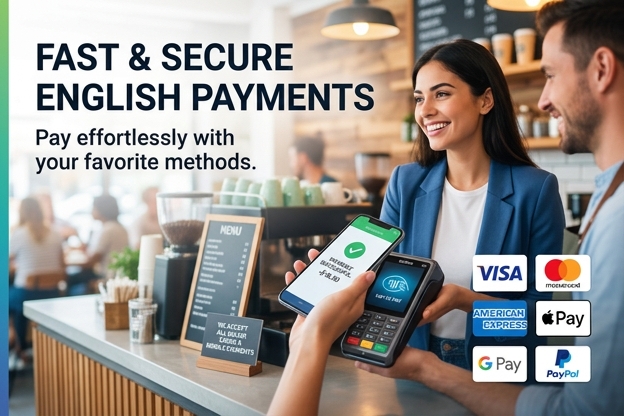
No payment strategy is perfect, and any serious operator should be wary of one-sided sales language. Faster transactions can increase exposure if fraud systems are weak. More payment methods can improve conversion but also create reconciliation headaches. Virtualized payment tools can add flexibility, but they still need disciplined governance and market-by-market review.
The most common risks include:
- Regulatory mismatch: A method that works in one jurisdiction may create issues in another.
- Fraud migration: Blocking one attack path often pushes fraudsters to another method.
- Operational overload: Too many providers without orchestration can hurt finance teams.
- Payout disappointment: Fast deposits mean little if withdrawals remain slow or manual.
- Reputation damage: Public complaints about payment failures can depress acquisition performance.
That is why payment leadership in iGaming must involve product, risk, finance, and compliance together. If one of those groups is missing from the provider selection process, blind spots follow.
How to Choose the Right Provider
Choosing an iGaming Payment Provider for Secure & Fast Transactions should be treated like a commercial due diligence process, not a feature demo. Ask for evidence, not promises.
Questions operators should ask before signing
- What are your approval rates by market and payment method?
- How do you manage failed payment retries and intelligent routing?
- What is your median payout time by region?
- Which fraud tools are native, and which rely on partners?
- How do you support reporting for finance and compliance teams?
- What happens during bank or processor disruption?
- Can your stack support virtual card, wallet, and account-to-account combinations?
A practical evaluation framework
Start with player journey data, not provider branding. Review where users abandon deposits, which methods trigger support complaints, and how often withdrawals are manually reviewed. Then map those weaknesses against provider capabilities. If your biggest issue is low first-deposit conversion, prioritize approval optimization and local methods. If your biggest issue is churn after cash-out requests, prioritize payout rails and automation.
For operators exploring flexible transaction tools, Virtual Card Without KYC can be part of that evaluation when the goal is to add speed, privacy-aware utility, and spend control into the wider payment stack. The right fit depends on geography, risk posture, and operational design, but the strategic value is clearest when agility matters.
Where iGaming Payments Are Heading
The next phase of iGaming payments will be shaped by orchestration, localized methods, real-time risk decisions, and faster payouts. Operators are moving away from dependence on a single processor and toward modular stacks that can adapt by market and risk segment.
Three trends stand out:
- Real-time payment expectations: Players increasingly expect instant or near-instant movement of funds.
- More intelligent routing: AI-assisted decline management and payment orchestration will keep improving approval rates.
- Greater method diversity: Wallets, A2A rails, and virtual payment instruments will continue gaining relevance.
According to Capgemini’s 2025 World Payments Report, digital payment volume growth remains strong worldwide, while businesses continue investing in better payment resilience and user experience. For iGaming brands, that points to a clear takeaway: the payment layer is becoming a growth engine, not just a processing utility.
Conclusion
The right payment provider can raise conversion, reduce fraud pressure, speed up withdrawals, and strengthen player trust at the moments that matter most. The wrong one quietly drains acquisition budgets and retention performance through failed deposits, slow reviews, and inconsistent user experiences.
Virtual Card Without KYC is worth attention for operators and payment teams that need greater flexibility, faster transactional workflows, and privacy-aware utility within a broader payment strategy. The key is to assess fit carefully against market rules, player expectations, and operational controls.
Recommended next steps from Virtual Card Without KYC:
- Audit your top three deposit failure points and top three withdrawal complaints.
- Test market-specific payment methods instead of relying on one global setup.
- Review whether virtual card infrastructure can improve agility, control, or user experience in your transaction flow.
References
- LexisNexis Risk Solutions Cybercrime Report 2024: Provided context on rising fraud pressure and digital transaction risks.
- Juniper Research 2024 fraud prevention analysis: Supported the discussion around growing merchant investment in fraud defense.
- Worldpay Global Payments Report 2025: Informed payment method trends, including wallets and account-to-account growth.
- Capgemini World Payments Report 2025: Contributed broader global payment growth and resilience insights.
FAQ
What should I look for in an iGaming payment provider?
Focus on approval rates, withdrawal speed, fraud controls, local payment method coverage, reporting quality, and operational resilience. A strong provider should help you reduce friction without exposing the business to unnecessary risk.
Why are fast withdrawals so important in iGaming?
Because payout speed directly affects trust. Players may forgive a small delay on a deposit, but they are much less forgiving when their winnings are held up. Faster withdrawals also reduce support volume and improve retention.
Is an iGaming Payment Provider for Secure & Fast Transactions only about deposit processing?
No. A high-quality iGaming Payment Provider for Secure & Fast Transactions should support both deposits and withdrawals, plus fraud screening, payment routing, reporting, and market-specific method coverage. The best providers improve the full money-movement experience.
How can Virtual Card Without KYC fit into an operator’s payment strategy?
Virtual Card Without KYC can be relevant where teams need faster deployment, controlled spend pathways, and privacy-aware transaction flexibility. Its usefulness depends on the operator’s market, compliance obligations, and broader payment architecture.
What is the biggest mistake operators make when choosing payment partners?
A common mistake is choosing based on broad promises instead of market-specific performance data. Another is over-focusing on deposit acceptance while underestimating the impact of slow withdrawals, weak reporting, or poor fraud tuning.