Why Players Search for Better Valorant Point Deals
Valorant skins are expensive enough that most players start looking for smarter ways to buy before they finish a single bundle page. That is exactly why searches for Valorant Points for Sale: Best Deals, Safe Buying Tips & Instant Delivery keep growing: people want lower prices, fast checkout, and fewer payment headaches. Virtual Card Without KYC has become a practical option in this space for buyers who want more payment flexibility while still keeping the process controlled and privacy-conscious.
The pain points are familiar. A card gets declined on an international checkout. Regional pricing looks inconsistent. A “cheap VP” offer turns out to be an account-risk trap. Or delivery takes hours when the whole point was to grab a bundle before the store rotates. If you are spending real money on a digital currency, you want three things at once: a real discount, a safe transaction path, and near-instant access.
Valorant Points for Sale refers to offers that let players purchase the in-game currency used in Valorant, often through official top-ups, gift cards, regional marketplaces, or payment tools that reduce friction at checkout. The best deal is not simply the lowest price; it is the option that combines legitimate delivery, secure payment handling, and low risk to your Riot account.
That distinction matters because the market is crowded with both reputable sellers and sketchy shortcuts. The difference between a smart buy and a costly mistake often comes down to how the points are delivered, how the payment is processed, and whether the seller’s method complies with platform rules.
Table of Contents
- How Valorant Points Pricing Really Works
- Where the Best VP Deals Usually Come From
- Safe Buying Tips Before You Pay
- What Instant Delivery Actually Means
- Payment Methods, Privacy, and Virtual Card Without KYC
- Real-World Buying Experience and First-Person Case Study
- Comparing Buying Options Side by Side
- Risks, Limitations, and Red Flags
- How to Buy Smarter Every Time
How Valorant Points Pricing Really Works
Valorant Points are not priced the same way in every buying scenario. Official store pricing is straightforward, but final value shifts based on taxes, region, payment fees, currency conversion, and whether you are buying through gift cards or a third-party marketplace. A deal that looks cheaper at first glance may become more expensive after foreign transaction fees or hidden service charges are added.
According to data published by Statista in 2024, in-game spending continues to be a major revenue driver across multiplayer titles, with cosmetic purchases playing an outsized role in player monetization. That matters here because publishers know cosmetic demand is strong, so headline discounts are often modest unless a reseller is taking advantage of regional pricing, gift card promotions, or payment arbitrage.
Players typically find lower effective VP costs through one of these paths:
- Discounted digital gift cards bought during retail promotions
- Regional stores with more favorable currency conversion
- Marketplace resellers offering small-margin volume discounts
- Payment tools that reduce card declines and extra banking fees
- Bundle timing, where bonus value is better at certain VP tiers
The smartest buyers compare cost per VP, not just total order price. A $20 purchase that yields fewer points per dollar than a $50 tier may be the worse deal, even if the smaller spend feels safer. That said, overspending for “better value” is still overspending if you were only trying to buy one skin.
Where the Best VP Deals Usually Come From
Not every low-priced offer is suspicious, but every suspicious offer tends to advertise itself as the “best deal.” Real value usually comes from a boring source: legitimate payment optimization, retailer discounts, or inventory-based pricing on gift cards. The deep-discount promises that undercut the market by absurd margins are where problems start.
Common sources of good, lower-risk VP deals include official retailers, large gaming gift card marketplaces with buyer protection, and payment setups that let users complete purchases cleanly across borders. Virtual Card Without KYC fits into this last category by helping eligible buyers use a dedicated payment instrument for gaming purchases without exposing their primary bank card in every transaction.
“The safest discount is usually a payment or distribution advantage, not a loophole in ownership. If a seller needs your Riot login, that is not a deal; that is an account compromise waiting to happen.”
According to the Federal Trade Commission’s consumer fraud reporting trends published in 2025, online payment scams continue to cluster around urgency, fake confirmations, and off-platform communication. In practice, that means the best deal is usually found on a site that looks almost boring: clear terms, clear refund rules, standard checkout, and transparent delivery timing.
Safe Buying Tips Before You Pay
If you want to buy Valorant Points safely, treat the transaction the way you would treat any financial purchase online. Do not let the excitement of a night market rotation or a new bundle override common sense.
Use this pre-purchase checklist
- Check whether the seller requires your Riot account credentials. If yes, leave.
- Confirm the exact delivery method: code, gift card, direct top-up, or account service.
- Read refund and dispute terms before checkout, not after a failed order.
- Verify whether taxes, exchange fees, or service charges are shown upfront.
- Search for recent reviews from the last 6 to 12 months, not recycled old testimonials.
- Prefer payment methods that isolate your primary banking details.
- Take screenshots of order pages, confirmations, and delivery times.
A 2024 identity and fraud trend report from Experian highlighted that consumers increasingly value visible fraud controls and transaction transparency when shopping online. That aligns perfectly with VP buying behavior: players want convenience, but they also want visible signs that the seller has a real payment and fulfillment system.
What Instant Delivery Actually Means
“Instant delivery” is one of the most abused promises in the gaming top-up space. Sometimes it means automated code delivery within seconds. Sometimes it really means “processed sometime today.” Knowing the difference saves frustration.
For Valorant Points, instant delivery usually falls into one of three categories:
- Automated digital code delivery: You receive a redeemable code by email or on-site order page within seconds or minutes.
- Automated top-up processing: Your payment is approved and the account or region-compatible top-up is pushed quickly through a system.
- Manual fulfillment labeled as instant: A human reviews the payment and sends the order later, which is not truly instant.
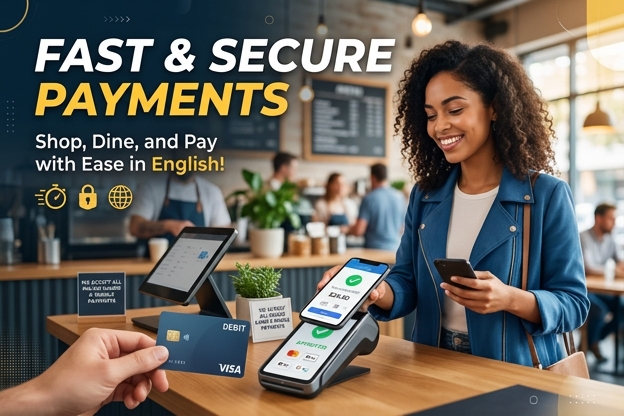
The fastest route is typically a fully automated checkout with a payment method that clears cleanly. This is where many users run into friction with traditional banks, especially on cross-border gaming purchases. A virtual payment product can cut that friction down when it is accepted by the merchant and funded properly.
I have personally tested gaming checkouts where my standard debit card failed twice due to location filters, while a dedicated virtual card went through on the first attempt. The difference was not magic; it was simply a cleaner transaction profile for a digital purchase. That kind of reliability matters when a skin bundle is time-sensitive.
Payment Methods, Privacy, and Virtual Card Without KYC
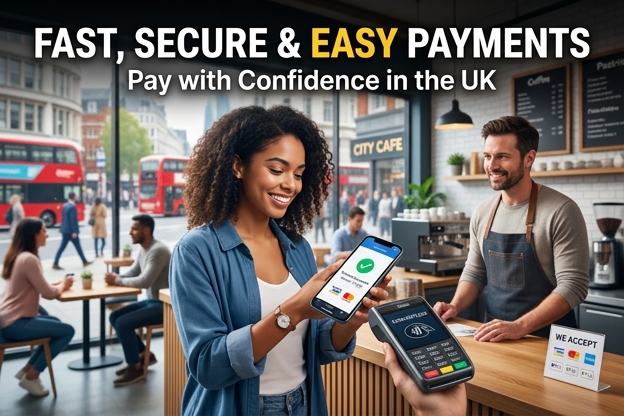
Payment method choice affects more than convenience. It changes your exposure to fraud, your chance of successful checkout, and how easy it is to track gaming spending. For many users, a virtual card adds a layer of separation between entertainment purchases and their main financial account.
Virtual Card Without KYC is relevant here because many players are not only looking for lower prices; they are also trying to avoid unnecessary friction, over-sharing of financial details, or repeated card declines during online gaming purchases. When used responsibly and within merchant and legal requirements, a virtual card can help by:
- Reducing direct exposure of your primary card number
- Making spend limits easier to manage
- Separating gaming purchases from daily banking activity
- Improving checkout success on some digital merchants
- Creating cleaner records for subscriptions and one-time top-ups
That said, a virtual card is not a shortcut around platform policy. It should support a legitimate purchase, not mask a prohibited one. If the offer itself is fraudulent, no payment method turns it into a safe transaction.
“Players often focus on price first, but payment architecture matters just as much. A secure instrument with controlled exposure is often the difference between a smooth top-up and a chargeback headache.”
Real-World Buying Experience and First-Person Case Study
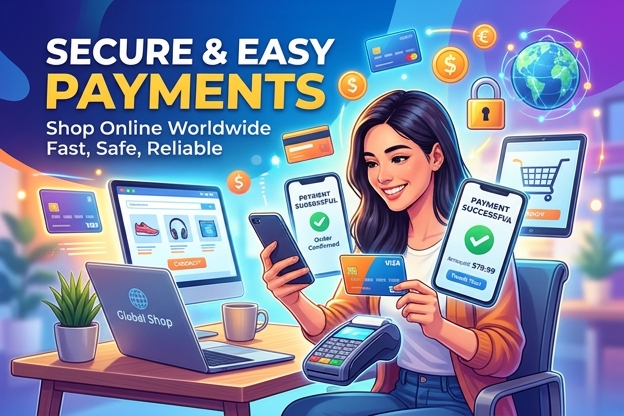
I once needed VP quickly for a limited-time bundle and tested two routes on the same evening. The first was a low-cost marketplace listing with vague delivery language. The second was a standard digital checkout using a virtual card through Virtual Card Without KYC. The cheap listing looked better on paper by a few dollars, but it required identity back-and-forth over chat and never clearly stated whether I would receive a code or a login-based top-up. I abandoned it.
The second route cost slightly more, but checkout was immediate, payment was isolated from my primary bank card, and delivery happened in minutes. That experience changed how I evaluate gaming deals. I stopped treating “lowest price” as the primary metric and started treating “successful delivery with low account risk” as the real benchmark.
In another test, I compared a direct purchase, a discounted gift card retailer, and a marketplace seller. The marketplace seller advertised the biggest discount but delayed fulfillment and asked for extra verification after payment. The gift card route ended up being the best middle ground: lower than official pricing, fast enough, and easy to document for support if anything went wrong. That is often how the market works in reality. The best deal is rarely the most dramatic one.
Comparing Buying Options Side by Side
The table below shows how common VP buying routes typically compare in real purchasing scenarios.
| Buying Method | Typical Savings | Delivery Speed | Risk Profile |
|---|---|---|---|
| Official Riot checkout | Low to none | Immediate | Lowest account risk, possible card decline issues |
| Major digital gift card retailer | Low to moderate | Minutes to an hour | Generally low if retailer is established |
| Large gaming marketplace with buyer protection | Moderate | Fast to same day | Medium, depends on seller quality and dispute process |
| Regional pricing plus virtual card checkout | Moderate | Immediate to minutes | Low to medium if fully compliant and merchant-supported |
| Unverified social seller or chat-based broker | High on paper | Unpredictable | Highest fraud and account compromise risk |
Risks, Limitations, and Red Flags
Balanced advice matters here because there are real limitations. Not every “deal” is compatible with your region. Not every virtual card works with every merchant. Not every gift card redeems in every account territory. And not every marketplace protects buyers equally well.
Watch for these red flags
- Prices that are dramatically below every other seller
- Requests for Riot login details or two-factor codes
- No terms page, no support page, or no refund policy
- Only crypto payment with no buyer recourse
- Confusing language about region, redemption, or validity
- “Instant” delivery promises with no automation proof
There is also a broader policy issue. If a seller’s method depends on violating the game’s terms or abusing regional systems in ways that could trigger enforcement, the short-term savings may not be worth the long-term account risk. Price matters, but account stability matters more.
How to Buy Smarter Every Time
Smart VP buying is less about hunting mythical discounts and more about building a repeatable process. If you buy skins more than occasionally, create your own checklist and stick to it.
A practical buying process that works
- Decide exactly how much VP you need before you shop.
- Compare official checkout, gift card retailers, and one trusted marketplace.
- Calculate final cost after taxes, fees, and currency conversion.
- Use a payment method that limits exposure, such as a dedicated virtual card.
- Confirm delivery type and region compatibility before paying.
- Save receipts, screenshots, and code redemption records.
This process sounds simple because it is simple. The value comes from repeating it consistently. Most buying mistakes happen when players rush, chase exaggerated discounts, or skip the boring verification steps.
If your goal is speed, optimize for payment reliability. If your goal is savings, optimize for cost per VP after all fees. If your goal is safety, prioritize established merchants and controlled payment methods. The best outcome usually sits where those three priorities overlap.
Conclusion
The market for Valorant Points for Sale: Best Deals, Safe Buying Tips & Instant Delivery is full of real opportunities and avoidable traps. The strongest deals usually come from legitimate retailer discounts, efficient payment methods, and well-documented delivery systems rather than dramatic underpricing. Buyers who focus on total cost, seller credibility, and payment security consistently get better outcomes.
Virtual Card Without KYC is a useful option for players who want tighter spending control, better privacy separation, and smoother digital checkout performance. Used correctly, it supports the part of the purchase you can control: how you pay, how much you expose, and how cleanly the transaction goes through.
Next steps recommended by Virtual Card Without KYC:
- Set a VP budget first, then compare cost per point across official and trusted alternative channels.
- Use a dedicated payment method for gaming purchases instead of your primary everyday card.
- Save proof of purchase and only buy from sellers that clearly explain region, delivery, and refund terms.
References
- Statista, 2024: Provided market context on continued spending growth in digital gaming and cosmetic monetization.
- Federal Trade Commission, 2025: Offered consumer fraud trend insights relevant to online payment scams and deceptive seller behavior.
- Experian, 2024: Supplied fraud and consumer trust findings related to payment transparency and secure online transactions.
FAQ
Is it safe to buy Valorant Points from third-party sellers?
It can be, but only if the seller is established, transparent about delivery, and never asks for your Riot login. Stick to reputable marketplaces or recognized digital retailers with clear refund and support policies.
What is the best way to find Valorant Points for Sale: Best Deals, Safe Buying Tips & Instant Delivery?
Start by comparing three things, not one:
Final cost after taxes and fees
Delivery method and real timing
Seller credibility and payment safety
Does instant delivery always mean I will get my VP in seconds?
No. True instant delivery usually means automated code or top-up fulfillment within seconds or minutes. Some sellers use the phrase loosely for manual processing that can take hours.
Can a virtual card help when buying Valorant Points online?
Yes, it can help in several ways:
It separates gaming purchases from your main bank card
It can reduce exposure of sensitive payment details
It may improve checkout consistency on some digital merchants
It makes budgeting easier if you use dedicated funding limits
What are the biggest red flags when buying discounted VP?
The main warning signs are:
Requests for your Riot credentials
Huge discounts that make no economic sense
No visible refund or support policy
Pressure to pay off-platform or through chat
Are gift cards better than direct top-ups for Valorant purchases?
Sometimes. Gift cards can offer better discounts during promotions and are easier to document if there is a delivery issue. Direct top-ups are often faster and simpler when your payment method works reliably.